
How to Capture the Spirit of Manaslu in Your Travel Writing
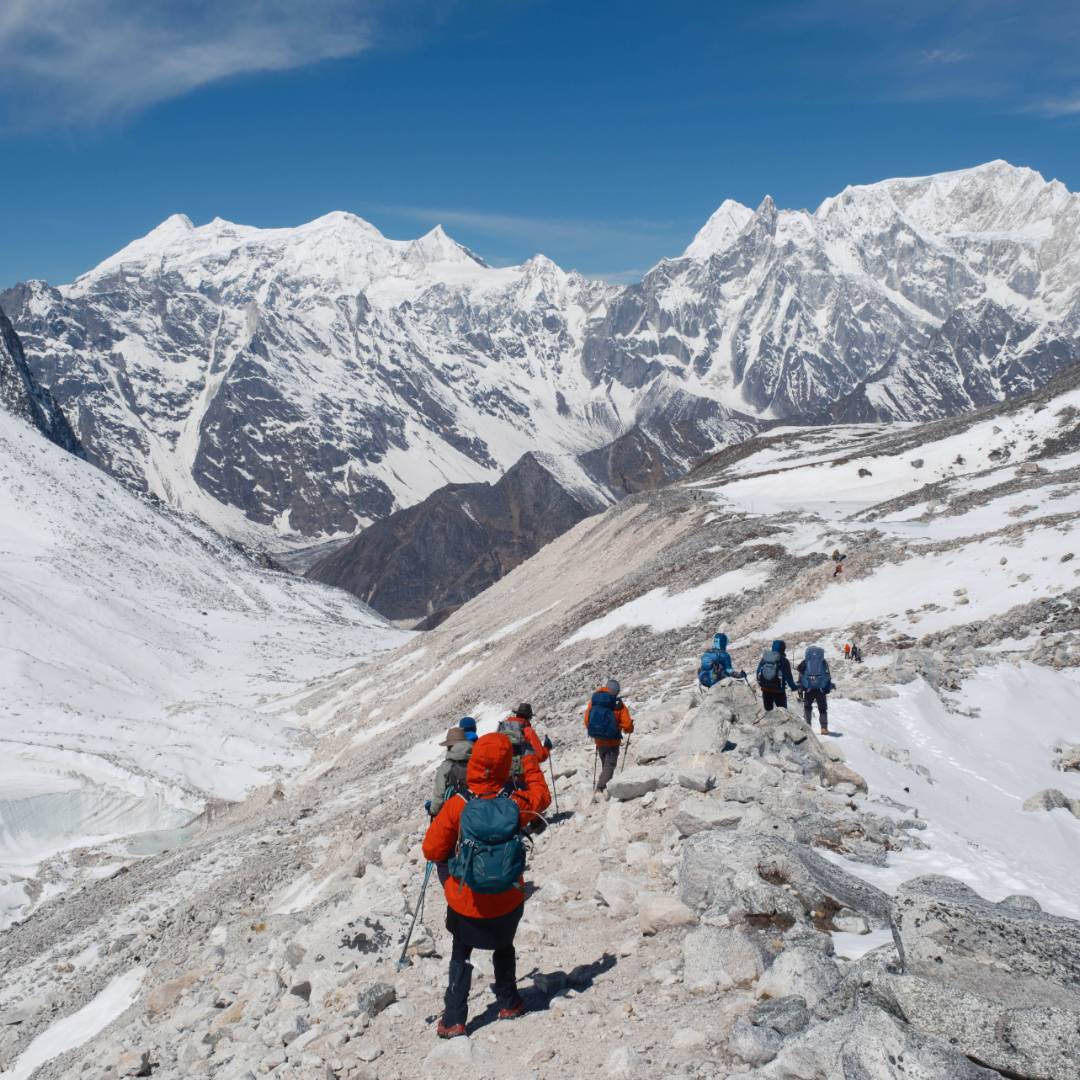
The Manaslu Circuit Trek is not just a trek; it’s trekking into the soul of nature, which appears to be both ancient and alive. It presents a pretty high-stakes challenge for the travel writer: how to translate raw, untold emotions into words that can reach off the page and strike readers. It does not do to outline today’s agenda or list all the lovely things we’ll see. In order to write a book on the spirit of Manaslu Circuit Trek, you have to bring out its wildness and adventure, such that it is felt remotely from their culture and homestays. It will take something more imaginative and atmospheric than a straightforward travelogue, Dr. Sorkin says. This is a guide that you can use to write an unforgettable story about the journey of your trip.
About the Itinerary: Tell a Story, Not an Itinerary
The very first rule in trying to grasp Manaslu is to forget the day-by-day checklist. Not just “Day 3: We hiked today from Jagat to Deng,” but tell the story of the day. What was the conflict? What was the triumph? Perhaps you wavered with uncertainty on an elevated suspension bridge, or felt overwhelming release as you stepped into the lush, misty forests. The story of your travels is not the route, but how you came. The Manaslu Circuit Trekking Itinerary is the framework of your story – it’s down to you to add in drama (the ups and downs along the way), personal trials that show a hidden resilience, and those times when nothing seems to happen.
Words as a Sense of Place in Five Senses
To bring your reader to the Manaslu Circuit, you have to summon every sense. Don’t say it’s beautiful; show them. And what’s that musky smell from the wet forest floor down l?w. Explain the rough sensation of prayer flags snapping in the wind. Spend a cold night making your own Tibetan butter tea. What does the hush of high mountains sound like? How warm is the sun beaming down on your skin at 5,000 meters? You feel your way to the absolute truth, yes, with all this sensory information you lay yourself a miracle and let it live along the lines of the pages turning before us in our armchair.
Anything that involves culture and people
The subculture is old and rich, and the language you write in every day is additionally vintage. Rather than writing that you walked through a village, write about the expressions on the faces of those you met. What did they put on? So what did their 66b34c3da3a0593bd135e66036f9aef3 existence seem like? Inform me approximately the teahouse proprietor who fetched you an additional heat blanket, or the kid living there who peeked in through your door on the sound of heavy boots, then smiled shyly up at you. With the Manaslu Circuit Trek Permit, you are required to have a guide, and they will be your key to releasing these stories. Ask your guide to explain local customs, myths, and the meaning of all those mani walls and prayer flags. You lend your writing soul and a bridge beyond the spectacle when you tell us about these people.
Embrace the Awkward and The Unexpected.
Some of the best travel stories are bad trips or things you simply didn’t see looming. The Manaslu Circuit will have plenty of those. Tell the truth about how painful it was to hike long days, sleep in deplorable sleeping conditions, or have a day from hell at 5213M on Larkya La Pass. It was one of those instances where you see the real soul of the trek. Keep the spur of the moment from reeling. And perhaps there was that time when a last-minute storm forced you to spend an unexpected extra day in a teahouse? It's far a danger to write approximately the way it feels when you are weathered in, while you’re sheltering from the typhoon, and about the camaraderie that develops, and about what you discovered from it. And it’s the one specifics that make us feel we're inside the presence of authenticity and reality.
Use Metaphor and Symbolism to Progress the Plot
Travel writing becomes art when it rises above the material and touches on a deeper, more symbolic level. The high pass can be a trial or threshold in your life. Prayer flags can represent the desires and wishes of those who fly them in the air. Throwing these in will bring your writing to another level and give your readers an overwhelmingly powerful feeling of spiritual/emotional weight about this journey.
The Voice of the Author: An Ongoing Conversation with Yourself
Your voice and point of view are what will separate your writing from that of other practitioners. Don’t be embarrassed to show that you are in an exposed position. Open up, and share what it feels like to be inside your thoughts — the fears and even moments of elation. The point, in other words, is not just what you saw — but who it made you. Think about the loneliness of the Manaslu Circuit, or how strangers’ kindness affected you. It’s your emotional attachment that will grab and keep readers.
All of You Should Be in the Dark at First
Anyway, a knowledgeable Manaslu Circuit Trek Map and understanding of the Manaslu Circuit Trek Cost just might be important for people planning their very own trip, but don’t ever let them take over your story. Rather, work them into the story. You can mention the permit fee while you are negotiating the price of your trek with your guide (that is, if you haggle), or the altitude gain when you begin to feel it. Facts should bow to the story, never serve as a stand-in for it. Your readers eat adventure, not spreadsheets for breakfast.
Conclusion: From Trip to Triumph
To describe the Manaslu Trek is an adventure in itself. It’s an opportunity to reflect on those times that it meant something and potentially bring a moment home with someone. With a little conscious effort beyond just travelogue, the travel writing can become as immersive and fulfilling as the trek. Ground your storytelling in sensory specificity and highlight the narrative while also being candid about the struggles as well as the successes. Catch the spirit of rhythm and people, the quiet and commands of mountains &—and the feeling that it is not there because you can’t find an easy reference to anyone who’s walked just ahead. And, in the end, your words won’t just be about a journey but a tribute to the mountains and how you trekked far and wide on a long pilgrimage to reveal their soul.