Author: AQ

Summer Car Problems in Westfield  MA How to Keep Your Ride Cool Under the Hot SunSummer Car Problems in Westfield  MA How to Keep Your Ride Cool Under the Hot Sun

Summer in Westfield, MA, is a time for barbecues, outdoor adventures, and enjoying the scenic beauty of New England. Whether you’re cruising along the Connecticut River, taking a drive through the beautiful countryside, or just enjoying a day out in Stanley Park, you want your car to be running smoothly. But the heat of the summer months can take a toll on your vehicle, causing unexpected breakdowns and frustrations. The last thing you want is to be stuck on the side of the road when you’re supposed to be out having fun.

From overheating engines to tire blowouts, summer brings a unique set of challenges for your car. Thankfully, many of these issues are preventable with a little foresight and basic car maintenance. In this article, we’ll dive into the most common summer car problems in Westfield, MA, and how you can keep your ride in top shape all season long.

1. Overheating Engines: Don’t Let the Heat Get to You

Nothing can spoil a summer drive faster than an overheating engine. Westfield’s warm weather can be tough on your car’s engine, especially if it’s older or hasn’t been properly maintained. Overheating can cause serious damage, such as warped engine parts or blown gaskets, leaving you with a hefty repair bill. On long drives or in stop-and-go traffic, your engine can easily overheat if the cooling system isn’t working efficiently.

How to prevent it:
Before the summer car problems Westfield MA heat kicks in, make sure to check the coolant levels and inspect the radiator and hoses for leaks or cracks. If your vehicle is older, consider having a coolant flush to ensure the system is free of debris and contaminants. Keep an eye on the temperature gauge during drives, especially when the air is thick with heat. If the needle starts to creep into the red zone, pull over safely and let the engine cool down. Preventive maintenance is key—don’t wait until it’s too late.

2. Battery Breakdown: Summer Heat Isn’t Always Your Friend

When it comes to car battery problems, most people think of winter, but summer heat can be just as harsh on your battery. Excessive heat can cause the battery’s fluid to evaporate, leading to corrosion and a loss of power. This is especially problematic in Westfield, where temperatures can rise into the 90s during heat waves. A weak battery is more likely to leave you stranded, especially after a long drive or when you least expect it.

How to prevent it:
Have your battery checked if it’s more than a few years old. Many auto shops offer free battery testing, which can help you avoid surprises. If your battery terminals are corroded or if the battery is more than three years old, consider replacing it before the hot weather hits. Also, parking your car in the shade can help prevent the battery from overheating. Keeping your battery in good shape is a small but essential part of your vehicle’s summer readiness.

3. Tire Troubles: The Heat + Pressure Dilemma

During summer, tire issues are more common than you might think. The combination of rising temperatures and increased driving puts extra pressure on your tires. Overheated tires are prone to wear, bulging, or, in the worst-case scenario, blowouts. In Westfield, you might find yourself driving along winding country roads or highways, and the last thing you want is a tire failure.

How to prevent it:
Check the tire pressure regularly, especially before heading out on a road trip. As the weather gets hotter, tire pressure increases, so it’s important to keep the pressure at the manufacturer’s recommended level. Underinflated tires are more prone to blowouts, while overinflated ones can lead to uneven wear. Also, inspect the tread on your tires. If they’re worn down, it’s time to replace them to avoid accidents. And, as always, make sure to keep a spare tire and jack in your vehicle, just in case you need them!

4. Air Conditioning Woes: Don’t Sweat It

Nothing is more essential on a hot summer day than a working air conditioning system. Whether you’re sitting in traffic or cruising through the picturesque streets of Westfield, having cool air can make the difference between a comfortable ride and an uncomfortable one. The unfortunate reality is that air conditioning systems can fail during the summer months when they’re needed the most.

How to prevent it:
Test your air conditioning before the summer heat kicks in. If your AC isn’t blowing cool air or is making strange noises, it could be a sign that the refrigerant is low or the compressor is failing. If your car has an older AC system, it’s wise to get it checked by a professional before the summer. Regular maintenance, including replacing the cabin air filter, can also help keep the system running smoothly. A well-maintained AC will ensure that you stay cool and comfortable during those hot summer days.

5. Brake Issues: Stopping Safely is Crucial

Summer driving means more time on the road, and with more driving comes more wear on your brakes. The increased temperatures can cause brake fluid to overheat, especially if the fluid levels are low or the brake pads are worn out. In a busy town like Westfield, where you might be stopping frequently, you don’t want to deal with brake failure or reduced braking power.

How to prevent it:
Inspect your brake pads and brake fluid regularly. If the brake pads are worn thin, replace them before they cause damage to the rest of the braking system. Make sure the brake fluid is at the proper level, and if the fluid looks dirty or discolored, have it flushed and replaced. If you notice any strange noises, such as squealing or grinding when you apply the brakes, don’t wait—get your brakes checked out immediately. Proper brake maintenance is essential for your safety, especially during summer driving.

6. Windshield Wipers and Visibility: Don’t Let Rain Blindside You

While Westfield enjoys plenty of sunshine, summer storms can quickly roll in, leaving you in the midst of a torrential downpour. If your windshield wipers are old or worn out, you may find yourself struggling to see through the rain, which can be dangerous, especially on highways or winding country roads.

How to prevent it:
Inspect your wiper blades regularly and replace them if the rubber is cracked or if the blades leave streaks across your windshield. Also, make sure the windshield washer reservoir is filled and that the spray nozzles are working correctly. Having functional wiper blades is essential not only for your comfort but for your safety during unpredictable summer weather.

7. Fuel System: Keep Your Tank Full

While it might seem like a small thing, running your car on low fuel can actually cause damage to your vehicle’s fuel system. Sediment and debris can build up in the bottom of your gas tank, and when the fuel level gets too low, these particles can get sucked into the fuel filter and injectors, causing blockages and costly repairs.

How to prevent it:
Try to keep your gas tank at least a quarter full, especially before long drives or weekend trips. Not only will this help prevent sediment buildup, but it will also give you peace of mind knowing you won’t get stranded when you’re out and about. Running low on fuel also puts extra strain on your fuel pump, which can lead to premature wear and failure.

Conclusion: Keep Your Car Summer-Ready in Westfield, MA

Summer in Westfield, MA, is an exciting time, and your car should be ready for all the adventures that come with it. By taking a few simple steps—checking your coolant levels, inspecting your tires, and keeping your air conditioning in top shape—you can avoid the most common summer car problems and ensure that your vehicle runs smoothly all season long. A little proactive maintenance goes a long way in keeping you safe and comfortable on the road, so you can focus on what really matters—enjoying everything that summer in Westfield has to offer!


Work Smarter, Drive Farther How Many, LA Drivers Can Improve Truck Fuel EconomyWork Smarter, Drive Farther How Many, LA Drivers Can Improve Truck Fuel Economy

In Many, Louisiana, trucks are more than just vehicles—they’re essential tools for getting work done. From construction and farming to HVAC service calls and deliveries, work trucks are critical to keeping local businesses and jobs moving. But while these trucks are built for durability and performance, they aren’t always known for fuel efficiency. With gas and diesel prices fluctuating, improving fuel economy isn’t just a nice-to-have—it’s a financial necessity.

Fortunately, you don’t need to buy a new hybrid truck to start saving money at the pump. With a few practical changes and some smart habits, truck drivers and fleet managers in Many, LA can work smarter and drive farther—getting more out of every gallon.

Why Fuel Economy Matters for Work Trucks

For businesses that rely on daily driving, fuel is one of the largest recurring expenses. Just a small improvement in miles per gallon (MPG) can add up to thousands of dollars in annual savings, especially across a fleet. Beyond the cost factor, better fuel efficiency also means:

  • Less wear and tear on your vehicle

  • Fewer trips to the gas station

  • Reduced environmental impact

  • Longer vehicle lifespan

Improving fuel economy isn’t about big changes—it’s about consistent, thoughtful driving and maintenance.

1. Perform Regular Maintenance

Your truck can’t run efficiently if it’s not in top shape. A poorly maintained engine burns more fuel, runs hotter, and puts stress on other components.

Key maintenance tips for better MPG:

  • Change the oil on schedule using the manufacturer-recommended grade.

  • Replace air filters regularly—dirty filters reduce engine efficiency.

  • Check spark plugs and ignition system for wear and misfires.

  • Keep maximize work truck fuel efficiency Many LA injectors clean to ensure proper combustion.

  • Ensure the cooling system is working properly to avoid overheating.

In Many’s varied driving conditions—city streets, rural roads, and job sites—routine maintenance is especially critical to preserving fuel efficiency.

2. Keep Tires Properly Inflated

Tires are one of the most overlooked components when it comes to fuel economy. Underinflated tires create more rolling resistance, forcing your engine to work harder and use more fuel.

Tips for better mileage:

  • Check tire pressure at least weekly.

  • Use a quality tire pressure gauge and match the PSI to the manufacturer’s recommendations (usually found on the driver’s door frame).

  • Rotate and align tires regularly to avoid uneven wear.

Properly inflated tires can improve fuel economy by 3% or more—a small fix that delivers big returns.

3. Lighten the Load

Many work trucks in Many, LA carry toolboxes, parts, and equipment daily. While some cargo is necessary, carrying too much weight burns fuel faster.

What you can do:

  • Clean out unnecessary items from your truck bed and cab.

  • Only carry the tools or materials needed for the day’s work.

  • Consider lighter storage solutions and materials when upgrading.

Every 100 pounds of extra weight can reduce fuel economy by 1%—and over time, that adds up.

4. Avoid Excessive Idling

In towns like Many where work trucks often idle at job sites or during loading/unloading, wasted fuel becomes a daily habit. Idling for long periods can burn half a gallon of fuel per hour or more—without moving an inch.

Fuel-saving strategy:

  • Turn off the engine if you’ll be stopped for more than 60 seconds (unless in traffic).

  • Avoid warming up the engine longer than necessary in cold weather.

  • Consider using idle-reduction technologies if managing a fleet.

Cutting idle time can dramatically improve fuel usage over a week or month.

5. Drive Smoothly and Steadily

Aggressive driving burns fuel fast. Rapid acceleration, hard braking, and speeding are all enemies of efficiency. In fact, sudden starts and stops can lower gas mileage by 10% to 40% depending on conditions.

Smart driving habits:

  • Accelerate gradually from a stop.

  • Coast to slow down when approaching lights or stop signs.

  • Use cruise control on highways when appropriate.

  • Avoid tailgating to reduce the need for hard braking.

Even in stop-and-go traffic in town or while navigating job sites, maintaining smooth and controlled driving habits can improve fuel economy.

6. Plan Routes Efficiently

Poor route planning leads to more miles, longer drive times, and increased fuel use. In rural and semi-rural areas like Many, LA, smarter route planning can drastically reduce fuel waste.

Here’s how:

  • Use GPS apps or fleet software to map out efficient routes.

  • Group jobs or deliveries in the same area to avoid backtracking.

  • Avoid congested roads during peak times.

Smart logistics can save hours of drive time—and gallons of fuel—every week.

7. Limit Use of Air Conditioning and Accessories

Running the A/C, headlights, defrosters, or other accessories can put additional load on your engine, especially in older trucks.

Pro tip:

  • Use A/C moderately and park in the shade when possible.

  • Turn off accessories when they’re not in use.

  • On cool days, crack the windows instead of using the air conditioning.

8. Train Your Team (If You Manage a Fleet)

If you manage a crew of drivers or a small business fleet, fuel-saving efforts should start with training. Make eco-driving part of your operational culture.

Fleet-saving techniques include:

  • Driver training on smooth acceleration and braking

  • Idle time monitoring and reduction

  • Rewarding fuel-efficient driving behaviors

Over time, these practices lead to measurable cost savings and longer-lasting vehicles.

Final Thoughts

In a working town like Many, LA, your truck is one of your most important business assets. Treating it with care, adopting smart driving habits, and maintaining it properly are the keys to better fuel economy—and better business.

You don’t need to invest in new vehicles to see results. With the right approach, you can work smarter, drive farther, and spend less at the pump. Whether you’re running one truck or an entire fleet, start making fuel efficiency part of your daily routine—and watch your savings grow, mile after mile.

How Real Estate Agencies Help First-Time Home BuyersHow Real Estate Agencies Help First-Time Home Buyers

As a first-time home buyer, you’re likely overwhelmed by the thought of navigating the complex process of purchasing a home. You’re not alone – it’s a daunting task, especially when considering the numerous factors that can make or break a successful transaction. That’s where real estate 東区 不動産 come in – with their expertise, you’ll gain a better understanding of the market, avoid costly mistakes, and find the perfect property that fits your needs and budget. But that’s just the beginning; you’ll soon realize that their support extends far beyond market knowledge…

Providing Expert Market Knowledge

As you begin your journey to homeownership, navigating the complex real estate market can be overwhelming.

You’ll encounter a multitude of unfamiliar terms, confusing regulations, and ever-changing market trends. That’s where a real estate agency comes in, providing expert market knowledge to guide you through the process.

Their agents have spent years studying the local market, understanding the intricacies of supply and demand, and staying up-to-date on the latest developments.

They’ll help you understand the current state of the market, identifying areas that are ripe for investment and those that are best avoided.

With their expertise, you’ll be able to make informed decisions about your home purchase, avoiding costly mistakes and finding the perfect property that fits your needs and budget.

Access to Valuable Industry Connections

You’ve likely heard the phrase “it’s not what you know, it’s who you know.” In the world of real estate, this couldn’t be truer.

As a first-time home buyer, you mightn’t have an established network of contacts in the industry. This is where a real estate agency can help. They’ve built relationships with various professionals, such as contractors, inspectors, and lenders, over the years.

These connections can be invaluable in helping you navigate the home-buying process. For instance, if you need repairs or renovations done, your agent can recommend reliable and affordable contractors. They can also introduce you to reputable inspectors who can identify potential issues with the property.

Having access to these industry connections can save you time, money, and stress in the long run. By working with a real estate agency, you can tap into their network and gain a competitive edge in the market.

Guidance on Financing Options

Securing the right financing is a crucial step in the home-buying process, and it can be overwhelming for first-time buyers.

You’ll need to navigate through various options, from government-backed loans to conventional mortgages, and understand the pros and cons of each.

That’s where a real estate agency can help. They’ll guide you through the financing process, explaining the different types of loans and which ones you’re eligible for.

They’ll also help you understand the associated costs, such as interest rates, closing costs, and insurance premiums.

Your agent will also provide valuable insights into your credit score and how it affects your financing options.

They’ll help you identify areas for improvement and provide tips on how to boost your credit score.

With their guidance, you’ll be able to make informed decisions about your financing options, ensuring you get the best possible deal for your circumstances.

Streamlining the Home Buying Process

Buying a home can be a daunting task, especially for first-time buyers. You’re likely to encounter a multitude of complex steps, from finding the right property to navigating the paperwork.

A real estate agency can significantly streamline this process, saving you time and reducing stress. They’ll help you identify your needs and preferences, ensuring you’re only shown properties that fit your criteria.

Their extensive knowledge of the local market means you’ll have access to off-market listings and insider information, giving you an edge in competitive markets.

The agency will also handle the logistics of viewing properties, scheduling appointments, and coordinating inspections.

Their experienced agents will guide you through the negotiation process, ensuring you get the best possible deal. Additionally, they’ll connect you with trusted professionals, such as lenders and attorneys, to facilitate a smooth transaction.

Personalized Support Throughout

As you navigate the home buying process, a real estate agency provides personalized support every step of the way.

You’ll have a dedicated agent who’ll guide you through the entire process, from finding the perfect home to closing the deal. They’ll take the time to understand your needs, preferences, and budget, ensuring you’re shown properties that fit your requirements.

You’ll receive expert advice on everything from making an offer to negotiating the price.

Your agent will also connect you with trusted partners, such as mortgage brokers and home inspectors, to help you make informed decisions. If you have any questions or concerns, you can count on your agent to respond promptly and provide clear explanations.

With a real estate agency, you’re not just buying a home – you’re getting a trusted partner who’ll be with you every step of the way. You’ll feel confident, informed, and supported throughout the entire process, which can make all the difference in this significant life milestone.

Conclusion

You’ve made it to the finish line! With a real estate agency by your side, you can rest assured that you’ve got a trusted guide to navigate the complex world of home buying. From expert market knowledge to valuable industry connections, guidance on financing options, and streamlined logistics, you’ve got the support you need to make your dream a reality. Now, go forth and find your perfect home – you’ve got this!

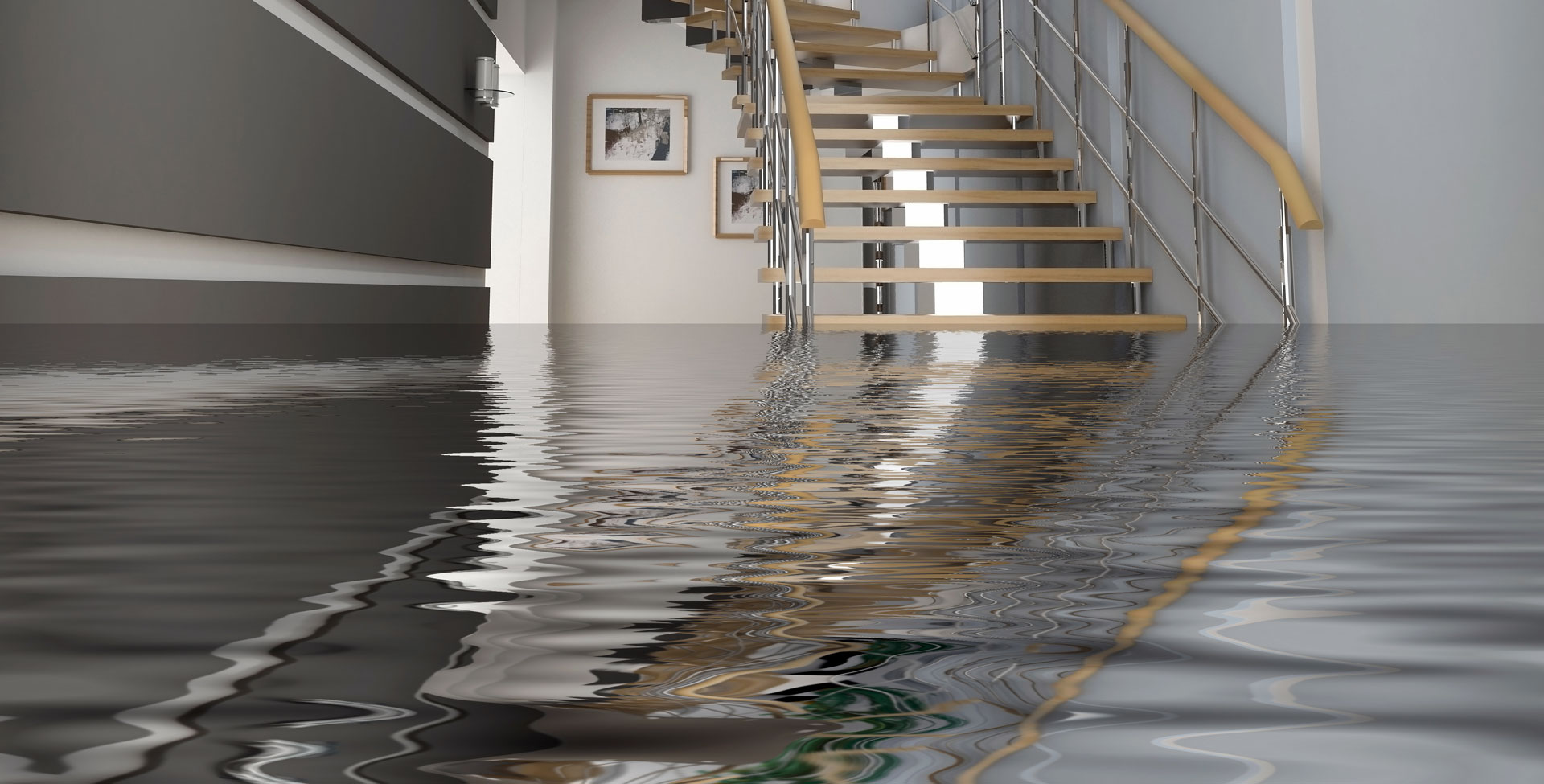
Top Tips for Preventing Water Damage in Your HomeTop Tips for Preventing Water Damage in Your Home

As a homeowner, you’re likely aware of the devastating effects of water damage, from ruined belongings to costly repairs. But did you know that taking proactive steps can significantly reduce the risk of water damage in your home? By staying one step ahead, you can avoid the financial and emotional toll of dealing with water-related disasters. From monitoring your water meter to inspecting your roof and gutters, there are several key strategies you can implement to safeguard your home. Want to learn more about these essential tips and protect your home from the threat of water damage?

Identify and Fix Leaks Promptly

Leaking pipes and appliances can cause significant water damage if left unchecked, so it’s essential to identify and fix leaks promptly.

You can’t afford to wait, as even a small leak can lead to costly repairs and replacements. Start by checking your water meter regularly to detect any unusual usage patterns. If you notice a spike, it may indicate a hidden leak.

You should also inspect your pipes and connections for signs of moisture, rust, or corrosion.

Look for water spots on your walls and ceilings, as they can indicate a leak in your pipes or roof.

Check your floors for soft spots, which can be a sign of water seeping from beneath.

Don’t ignore dripping faucets or toilets, as they can waste gallons of water and cause damage over time.

Fixing leaks promptly won’t only save you money but also prevent mold and mildew growth, which can pose health risks.

Inspect and Maintain Appliances

As you go about your daily routine, it’s easy to overlook the appliances that make your life easier, but neglecting them can lead to water damage.

Your dishwasher, washing machine, and refrigerator all use water to function, and if not properly maintained, can become sources of water damage.

You should regularly check your appliances’ hoses and connections for signs of wear, such as cracks, frays, or corrosion.

Replace them if you find any damage. It’s also essential to ensure they’re properly installed and secured.

Check your appliance manuals for specific maintenance instructions, and follow them.

Additionally, inspect your water supply lines for kinks, twists, or blockages, which can increase pressure and lead to leaks.

Make it a habit to clean your appliances’ filters and drains regularly to prevent clogs.

By doing so, you’ll reduce the risk of water damage and costly repairs.

Check Roof and Gutters Regularly

You’ve taken care of your appliances, now it’s time to shift your attention to your home’s exterior.

The roof and gutters play a crucial role in preventing water damage, but they’re often overlooked until it’s too late. Don’t wait until you’re dealing with a leaky roof or flooded gutters – take proactive steps to ensure they’re functioning properly.

Start by inspecting your roof for damaged, missing, or loose shingles, curled or buckled shingles, and signs of wear around chimneys, vents, and skylights.

Look for signs of animal infestation, like nests or droppings, which can cause damage to your roof.

Next, clean your gutters and downspouts to ensure they’re clear of debris.

Make sure downspouts extend at least 3-4 feet away from your home’s foundation to prevent water from seeping into your basement or crawlspace.

Finally, inspect your gutters’ pitch and alignment to ensure they’re directing water away from your home.

Install Water Detection Devices

One of the most effective ways to prevent water damage is to catch it early, and that’s where water detection devices come in.

These devices can detect water leaks and alert you before they cause significant damage. You can install them near water-using appliances, such as dishwashers and washing machines, as well as in areas prone to moisture, like basements and crawlspaces.

Some devices can even detect changes in temperature and humidity, which can indicate potential water issues.

When choosing a water detection device, consider the type of sensor it uses. Some devices use moisture sensors, while others use acoustic sensors that detect the sound of running water.

Look for devices with wireless connectivity, so you can receive alerts on your smartphone or tablet. You should also consider the device’s range and whether it can detect water in hard-to-reach areas.

Landscape to Direct Water Away

By installing water detection devices, you’ve taken a significant step towards preventing water damage.

Now, it’s essential to focus on the exterior of your home, particularly your landscaping. You can significantly reduce the risk of water damage by directing water away from your home’s foundation.

Make sure your yard slopes away from your house, so water flows towards the street or a drainage system. You can also install a French drain, which is a trench filled with gravel and a perforated pipe that redirects water away from your home.

Additionally, keep your gutters and downspouts clean and clear of debris to ensure water flows freely and doesn’t accumulate around your home’s foundation.

Consider installing gutter guards to prevent leaves and twigs from clogging your gutters. By directing water away from your home, you’ll reduce the risk of water damage and restoration companies seeping into your basement, crawlspace, or walls, which can lead to costly damage and mold growth.

Conclusion

You’ve taken the first step towards protecting your home from water damage by reading these top tips. Now, it’s time to put them into action! By identifying and fixing leaks promptly, inspecting and maintaining appliances, checking your roof and gutters regularly, installing water detection devices, and landscaping to direct water away, you’ll significantly reduce the risk of water damage. Stay vigilant and proactive, and you’ll enjoy a safe and secure home for years to come.

Electrical Inspections Why They’re Crucial Before Buying a HomeElectrical Inspections Why They’re Crucial Before Buying a Home

As you’re searching for your dream home, it’s easy to get caught up in the excitement of finding the perfect property. But before you sign on the dotted line, it’s essential to take a closer look at the home’s electrical system. You might not think twice about the wiring or outlets, but hidden dangers can be lurking beneath the surface. In fact, neglecting an electrical inspection can lead to costly consequences down the road. So, what could be hiding in those walls, and how can you avoid a financial shock?

Hidden Dangers in Old Wiring

As you flip the switch, the lights flicker to life, but behind the walls, a hidden danger lurks. Old wiring can be a ticking time bomb, waiting to cause a fire or electrocution.

You mightn’t notice anything out of the ordinary, but that doesn’t mean everything is okay. Insulation can deteriorate over time, exposing live wires and increasing the risk of a short circuit. Rodents can chew through insulation, causing further damage. Moreover, outdated wiring materials like knob-and-tube or aluminum wiring can be particularly hazardous.

You might think that since the lights turn on, the wiring is fine. However, old wiring can still function while hiding potential dangers.

It’s essential to have a professional inspect the electrical system to identify any hidden hazards. They’ll check for signs of wear, damage, or outdated materials, giving you a clear picture of the electrical system’s condition. Don’t assume everything is okay just because the lights turn on. Hidden dangers in old wiring can put your life and property at risk, making an electrical inspection a crucial step before buying a home.

Electrical System Red Flags

You’ve had a professional inspect the electrical system, and now you’re aware of the hidden dangers lurking in old wiring.

As you review the inspection report, you’re likely to come across some red flags that should grab your attention. One major concern is overcrowding at the electrical panel. If the panel is overstuffed with fuses or breakers, it can lead to overheating, which increases the risk of a fire.

Another red flag is the presence of aluminum wiring, which is known to be a fire hazard. You should also be wary of flickering lights, warm outlets, or burning smells, as these can indicate faulty wiring or a malfunctioning electrical system.

Additionally, look out for DIY electrical work or amateurish repairs, which can be a sign of underlying problems. By identifying these Spark Electric system red flags, you can negotiate with the seller to fix the issues or factor them into the purchase price.

Safety Risks of Outdated Components

Your electrical inspection report may also flag outdated components, which can pose significant safety risks to your family and property.

These components may not be able to handle the electrical demands of modern appliances, leading to overheating, fires, or even electrocution. For instance, if you have aluminum wiring, which was common in the 1960s and 1970s, it can cause connections to overheat, leading to fires.

Similarly, outdated circuit breakers or fuse boxes may not be able to handle the increased electrical load, causing them to fail and leading to electrical shocks.

You may also find that your home has outdated GFCI outlets, which are crucial in preventing electrical shocks in kitchens, bathrooms, and outdoor areas.

If these outlets aren’t functioning properly, you and your family are at risk of electrical shock or even death. Moreover, outdated electrical components can also lead to appliance failures, which can result in costly repairs or even replacements.

The Cost of Neglecting Inspections

Neglecting regular electrical inspections can lead to a domino effect of costly consequences. You may think you’re saving money by skipping this step, but in reality, you’re putting yourself at risk of incurring significant expenses down the line.

When electrical issues are left unchecked, they can cause damage to your property, resulting in costly repairs or even complete system overhauls.

Furthermore, undetected electrical problems can also lead to increased energy bills, as inefficient systems work harder to power your home. You’ll be paying more for electricity without even realizing it.

In addition, if you decide to sell your home in the future, undisclosed electrical issues can come back to haunt you. You may be forced to renegotiate the sale price or even pay for repairs out of pocket.

Empowering Buyers With Knowledge

Electrical inspections aren’t just about avoiding costly consequences – they’re also a valuable tool for buyers.

When you’re considering purchasing a home, an electrical inspection can give you a comprehensive understanding of the property’s electrical system. This knowledge empowers you to make informed decisions about your investment.

You’ll be able to identify potential safety hazards, necessary repairs, and even opportunities for upgrades or improvements.

With this information, you can negotiate the price of the home or request that the seller make repairs before finalizing the sale.

You may even be able to use the inspection report to secure better loan terms or insurance rates.

By having a clear picture of the electrical system, you can avoid unexpected expenses down the road and prioritize your spending on other important aspects of homeownership.

An electrical inspection is an investment in your peace of mind, and it’s a crucial step in the homebuying process.

Conclusion

You’ve got the keys to your dream home, but are you aware of the electrical system’s hidden secrets? Don’t let ignorance become a costly mistake. An electrical inspection is a small price to pay for peace of mind. It’s your chance to uncover potential safety hazards, negotiate a better deal, or request necessary repairs. Invest in an inspection and take control of your homebuying journey – your wallet and family’s safety will thank you.